
Silage covers play a crucial role in Australian agriculture, helping farmers preserve the quality of their stored forage while reducing losses due to spoilage. Whether you are a dairy farmer, beef producer, or involved in other livestock operations, having high-quality silage covers is essential to maintaining nutrient-rich feed for your animals throughout the year. For quality silage covers, check this out.
What Are Silage Covers?
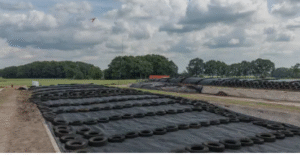 Silage covers are heavy-duty plastic sheets designed to seal silage pits and bunkers, protecting the forage from oxygen, moisture, and pests. These covers are vital in preventing spoilage, fermentation losses, and mould growth, ensuring that livestock receives high-quality feed. In Australia, where climate conditions can be extreme, the right silage covers make a significant difference in forage preservation.
Benefits of Using Silage Covers
Preservation of Nutrients
Silage covers create an airtight seal that limits oxygen exposure, preventing the degradation of essential nutrients in the forage. It helps retain the feed’s energy and protein levels, ensuring livestock receive high-quality nutrition.
Minimisation of Spoilage and Waste
Without proper covering, silage can suffer from aerobic spoilage, leading to considerable losses. A well-sealed silage cover prevents oxygen infiltration, reducing spoilage and preventing the growth of mould and bacteria.
Cost Savings
By protecting forage from spoilage, silage covers help farmers reduce waste and maximise their investment in feed production. It leads to long-term savings and improved profitability.
Weather Resistance
Australia’s diverse climate, with harsh summers and heavy rains, can compromise silage quality if not adequately protected. High-quality silage covers are designed to withstand extreme weather conditions, preventing moisture intrusion and heat buildup that could lead to fermentation issues.
Types of Silage Covers Available in Australia
Standard Plastic Silage Covers
These are the most common silage covers used by Australian farmers. Made from polyethylene, they provide excellent protection against air and moisture infiltration. They are available in different thickness levels, with 150 to 200 microns being the most popular options.
Oxygen Barrier Silage Covers
Oxygen barrier covers offer superior protection by significantly reducing oxygen penetration. They are often used in combination with standard plastic covers for maximum effectiveness. These covers help improve fermentation quality and reduce dry matter losses.
Two-in-One Silage Covers
Some products combine an oxygen barrier film with a traditional plastic cover in a single layer. This innovative solution simplifies the covering process and enhances the protection of stored silage.
UV-Stabilised Silage Covers
Given Australia’s high UV radiation levels, UV-stabilised silage covers are designed to withstand prolonged sun exposure. These covers have a longer lifespan and provide superior durability compared to non-UV-treated plastics.
Choosing the Right Silage Covers for Your Farm
When selecting silage covers in Australia, consider the following factors:
- Thickness and Strength: A durable cover should be thick enough to resist tearing while still being flexible for easy application.
- Oxygen Barrier Properties: For superior preservation, opt for covers with high oxygen barrier capabilities.
- UV Resistance: Choose covers designed for the Australian climate to ensure longevity and adequate forage protection.
- Size and Coverage: Ensure the cover is large enough to completely seal your silage pit or bunker, preventing any gaps that could allow oxygen infiltration.
Tips for Proper Silage Cover Application
- Ensure a Tight Seal: Always anchor the silage cover with weights, such as tyres or sandbags, to prevent wind from lifting it and to maintain a tight seal.
- Use an Underlay Film: A thin oxygen barrier film placed directly on the silage before adding the main cover can enhance protection.
- Repair Any Tears Promptly: Even small holes can compromise the quality of the silage, so patch any damage immediately.
- Monitor Regularly: Check the cover periodically to ensure it remains intact and secure.
Conclusion:
Silage covers are a crucial investment for Australian farmers looking to protect their forage, minimise losses, and improve feed quality. By selecting the correct type of silage covers and applying them correctly, you can ensure optimal preservation and enhance livestock productivity. Whether you need a simple polyethylene cover or a high-tech oxygen barrier solution, making the right choice will pay off in long-term savings and better nutrition for your animals.
