
Australia’s agricultural landscape has long relied on silage as a critical component in livestock feed management, especially during dry seasons and unpredictable climate patterns. However, the effectiveness of silage greatly depends on how well it is preserved. It is where silage covers for farms have become game-changers. From reducing spoilage to improving nutrient retention, modern silage covers are revolutionising the way Australian farmers manage feed storage—and ultimately, how efficiently they run their operations.
The Role of Silage Covers in Feed Preservation
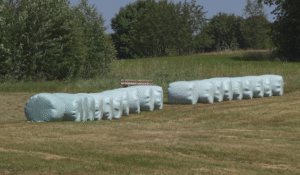 Traditionally, silage was covered with basic plastic sheeting or tarpaulin, often weighed down by old tyres or sandbags. While these methods offered basic protection from environmental exposure, they were prone to tearing, UV degradation, and oxygen seepage—leading to significant feed loss and reduced nutritional value.
Today’s silage covers for farms are a different breed altogether. Designed with multi-layer barriers, UV protection, and high tensile strength, these covers create a near-airtight seal that minimises oxidation and water infiltration. It significantly reduces dry matter loss and surface spoilage, allowing farmers to retain a higher proportion of usable, high-quality silage.
How Modern Silage Covers Enhance Efficiency
Reduced Feed Waste
One of the most significant advantages of advanced silage covers for farms is the dramatic reduction in feed waste. Oxygen ingress is a primary cause of aerobic spoilage in silage. With innovations such as oxygen-barrier films and vacuum sealing, the modern silage cover acts as a robust shield against this issue.
It translates to improved feedout efficiency—farmers can rely on a more consistent and nutritious feed supply with less spoilage to discard.
Improved Nutrient Retention
Ensiling is a fermentation process that preserves the nutrients in crops such as maise, sorghum, or ryegrass. However, exposure to air during this process can hinder fermentation and degrade essential nutrients. Modern silage covers support an anaerobic environment that promotes lactic acid bacteria and efficient fermentation.
By ensuring that silage retains its energy, protein, and digestibility values, these covers help maintain herd health and productivity—especially vital for dairy operations aiming to sustain high milk yields or beef farms seeking optimal weight gain in cattle.
Technological Innovations in Silage Cover Materials
The science behind silage cover development has advanced significantly in recent years. Today’s silage covers for farms are often constructed using multiple co-extruded layers, each serving a specific function:
- UV-Stabilised Outer Layer: Designed to withstand Australia’s intense solar radiation, this layer prevents early degradation.
- Oxygen Barrier Core: A critical component that restricts oxygen from entering the silage mass, maintaining anaerobic conditions.
- Inner Film Layer: Sometimes includes anti-condensation features to reduce moisture buildup on the silage surface.
Some premium covers even include reflective coatings to reduce heat absorption, helping to keep silage at a more stable internal temperature—a feature particularly useful in warmer Australian regions like Queensland or Western NSW.
The Rise of Double-Layer Covering Systems
An increasingly popular strategy among progressive Australian farms is the use of double-layer systems. It involves placing a thin vacuum film directly on the silage surface, followed by a heavy-duty outer silage cover. The vacuum film clings tightly to the contours of the silage, eliminating trapped air pockets, while the top layer provides structural durability and weather resistance.
The results are measurable: reduced spoilage layers (often under 5 cm), superior fermentation profiles, and longer shelf life of stored silage.
Sustainability and Waste Reduction Benefits
Modern silage covers for farms are not only functional but are also evolving to support more sustainable farming practices. Biodegradable films and recyclable polyethylene covers are now entering the Australian market, helping to reduce plastic waste on farms.
Moreover, because advanced covers extend the usable life of feed and reduce the frequency of reapplication, fewer resources are required over time. This long-term approach contributes to more sustainable feed management systems, which is increasingly important in the context of climate change and environmental accountability in agriculture.
Conclusion:
In today’s competitive and climate-impacted agricultural landscape, every decision counts. For Australian farmers, choosing the right silage covers for farms can be the difference between profit and loss, surplus and scarcity. Modern silage covers don’t just preserve feed—they preserve operational efficiency, livestock health, and farm resilience.
As technology continues to evolve, it’s clear that premium silage covers are not a luxury but a necessity for forward-thinking farmers looking to maximise feed value, minimise waste, and strengthen their bottom line in an increasingly unpredictable environment.
