
Varicose veins are a widespread vascular issue that impacts millions globally, typically appearing as swollen, twisted veins just below the skin’s surface. However, they may initially seem like a cosmetic concern, but untreated varicose veins can result in discomfort, pain, and more significant health complications. Selecting the most effective varicose vein treatment is essential for relieving symptoms and enhancing overall vascular health.
Understanding Varicose Veins
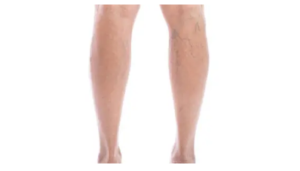 Varicose veins significantly develop when the valves inside the veins weaken or become damaged, leading to inadequate blood circulation. This impairment results in blood pooling within the veins, causing them to enlarge. Several risk factors contribute to the development of varicose veins, including age, genetics, obesity, prolonged standing or sitting, hormonal changes, and pregnancy. Common symptoms may include aching, heaviness, swelling, and, in more severe cases, changes in skin texture.
Before beginning treatment, it’s essential to consult a healthcare professional who can conduct a thorough examination, frequently including an ultrasound, to assess the severity of your condition and explore potential treatment options.
Initial Consultation: Key Steps
- Consult a Specialist: Begin by consulting a vascular specialist or dermatologist who has experience treating varicose veins. They will assess your condition, review your symptoms, and, based on their evaluation, suggest the most effective varicose vein treatment options.
- Consider Your Medical History: Your overall health, any underlying conditions, and previous treatments can influence the choice of treatment. Make sure to discuss these factors with your healthcare provider.
Treatment Options: Discovering the Best Solution for You
The most effective varicose vein treatment can vary from person to person. Here are the main options available:
Lifestyle Changes
- Diet and Exercise: Keeping a healthy weight and engaging in regular physical activity can greatly alleviate the symptoms of varicose veins. Activities such as walking, cycling, and swimming improve circulation and effectively strengthen the muscles that support the veins.
- Compression Therapy: Wearing graduated compression stockings can relieve symptoms and effectively slow the progression of varicose veins. These stockings exert pressure on the legs, promoting better blood flow and decreasing swelling.
Minimally Invasive Procedures
- Sclerotherapy: This treatment involves injecting a solution directly into the varicose veins, causing them to collapse and gradually fade from view. Sclerotherapy is effective for smaller veins and often requires little to no downtime.
- Endovenous Laser Therapy (EVLT): In this minimally invasive procedure, a laser is used to seal off the affected veins. EVLT is performed as an outpatient procedure and is popular for its effectiveness and relatively quick recovery time.
- Radiofrequency Ablation (RFA): Similar to EVLT, RFA uses radiofrequency energy to heat and close off varicose veins. This method is also minimally invasive and offers rapid recovery, making it a popular choice.
Surgical Options
- Vein Stripping: This traditional surgical method involves removing the affected veins and is typically reserved for more severe cases. It may require general anesthesia and a longer recovery period compared to minimally invasive options.
- Ambulatory Phlebectomy: This procedure involves the removal of smaller varicose veins through tiny incisions in the skin. It’s less invasive than vein stripping and is usually performed under local anesthesia.
Factors Influencing Treatment Choice
Some factors are essential in determining the most effective varicose vein treatment for you:
- Severity of Condition: The size and extent of varicose veins influence the recommended treatment. Minor cases may respond well to lifestyle changes and compression therapy, while more severe cases might necessitate surgical intervention.
- Health Considerations: Existing health issues, such as blood clotting disorders or skin sensitivities, can impact treatment choices. Discuss these with your healthcare provider for tailored advice.
- Recovery Time: Different treatments come with varying recovery periods. Minimally invasive procedures typically offer quicker recoveries, allowing for a faster return to daily activities.
- Cost and Insurance Coverage: Treatment costs can vary widely, and insurance coverage may impact your decision. It’s essential to verify what treatments are covered under your plan.
Conclusion
Selecting the most effective varicose vein treatment involves considering various factors, including the severity of your condition, overall health, and personal preferences. With several effective options available, it’s crucial to consult with a healthcare professional to determine the best course of action tailored to your unique situation. By addressing varicose veins effectively, you can improve your quality of life, alleviate discomfort, and prevent potential complications in the future. Remember, timely intervention is key to managing varicose veins and maintaining optimal vascular health.
